Lyophilization in Sterile Drug Manufacturing: Ensuring Product Stability, Sterility and GMP Compliance
In sterile pharmaceutical manufacturing, maintaining product stability without compromising patient safety is a critical challenge. Lyophilization, commonly known as freeze-drying, offers an effective solution for preserving sensitive medicines, including vaccines, injectable drugs and biopharmaceutical products. However, successful lyophilization requires more than advanced equipment; it demands precise process control, contamination prevention and a well-designed GMP-compliant manufacturing environment.
At Micron HVAC Pvt. Ltd., we understand that pharmaceutical manufacturers need reliable cleanroom infrastructure, controlled environmental conditions and effective compliance strategies to achieve consistent product quality. As the industry moves towards advanced biologics and more stringent regulatory expectations, integrating HVAC performance, cleanroom compliance and process validation has become increasingly important.
What Is Lyophilization in Sterile Drug Manufacturing?
Lyophilization is a dehydration process in which a frozen pharmaceutical product is dried under vacuum, allowing ice to transform directly into water vapour through sublimation. This process helps preserve sensitive active ingredients while improving product stability and storage potential.
It is widely used in vaccines, antibiotics, injectable formulations, biological products and other temperature-sensitive medicines.
The process typically involves three stages:
- Freezing: The product is cooled until its water content freezes.
- Primary drying: Vacuum conditions allow ice to sublime without passing through the liquid phase.
- Secondary drying: Remaining bound moisture is removed to achieve the required residual moisture level.
When properly developed and validated, lyophilization can improve shelf life, support distribution and help maintain the quality of sensitive pharmaceutical formulations.
Why Is Lyophilization Important for Pharmaceutical Manufacturers?
For manufacturers, lyophilization provides several operational and product-quality benefits:
- Improved product stability: Helps protect moisture-sensitive active ingredients.
- Longer storage potential: May reduce dependence on continuous refrigeration, depending on the formulation and approved storage conditions.
- Better suitability for biologics: Supports the preservation of certain proteins, vaccines and other sensitive molecules.
- Simplified transportation: Stable, dried formulations can offer logistical advantages.
- Reliable reconstitution: Properly developed products can be reconstituted before administration for their intended use.
However, these benefits depend on formulation development, validated drying cycles, suitable packaging and appropriate storage conditions. Freeze-drying alone does not guarantee sterility or eliminate the need for cold-chain management.
The Role of HVAC and Cleanroom Compliance in Lyophilization
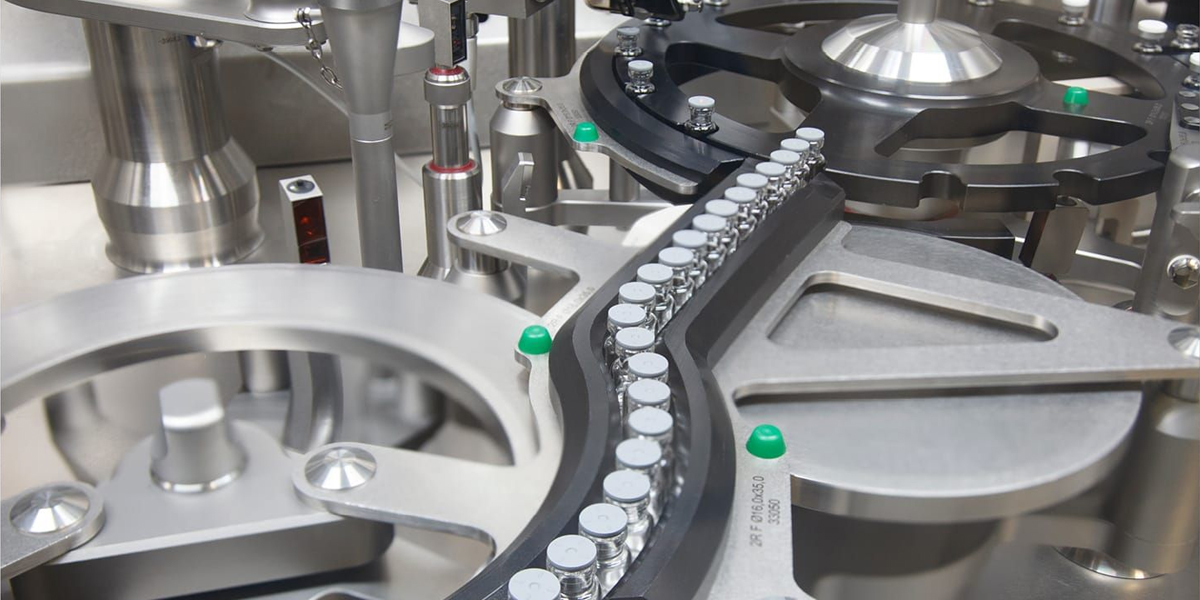
A reliable lyophilization process begins with a controlled manufacturing environment. Although the freeze-drying chamber operates under vacuum, contamination risks remain significant during vial filling, transfer, loading, unloading and stoppering.
A well-designed HVAC and cleanroom system helps manufacturers control:
- Air cleanliness: Appropriate HEPA filtration and airflow management reduce airborne particulate contamination.
- Pressure differentials: Controlled pressure cascades help prevent contaminated air from entering critical areas.
- Temperature and humidity: Stable environmental conditions support process consistency and reduce operational variability.
- Personnel and material movement: Proper zoning and transfer procedures minimise contamination risks.
- Environmental monitoring: Particle counts, microbial monitoring and trend analysis help identify deviations.
For customers investing in sterile manufacturing facilities, HVAC design should be based on product risk, process requirements and applicable GMP standards—not simply room classification. Dynamic airflow visualisation, qualification studies and documented performance testing help demonstrate that the facility performs as intended.
Key GMP Challenges in Lyophilization
Manufacturers must address several critical risks to maintain product quality and regulatory compliance.
- Maintaining sterility: Partially stoppered vials remain vulnerable during transfer and loading. Aseptic connections, appropriate barrier technologies and validated handling procedures are essential.
- Lyophilizer sterilisation: Chamber sterilisation, cleaning, filter integrity and leak testing require documented procedures and validation.
- Cycle development and validation: Incorrect freezing or drying parameters can cause cake collapse, residual-moisture issues, poor reconstitution or reduced product potency.
- Container closure integrity: Stoppering and sealing must protect the finished product against microbial ingress throughout its intended shelf life.
- Documentation and data integrity: Complete batch records, equipment qualification, deviation management and validated electronic systems support inspection readiness.
The FDA's 2026 technical presentation highlights recurring concerns involving drying-endpoint determination, cleaning and sterilisation, and vial loading and unloading. These findings reinforce the need for integrated engineering, quality assurance and process validation.
Emerging Lyophilization Technologies: India and Global Trends
Technological advancements are creating opportunities to improve productivity, reduce process uncertainty and strengthen quality control.
- Process Analytical Technology (PAT): Pressure measurements, product-temperature monitoring and other suitable analytical tools help manufacturers assess drying progress and establish more reliable endpoints. Their suitability must be demonstrated for the specific process.
- Controlled nucleation: Technologies that control ice-crystal formation can improve batch consistency and support more predictable drying behaviour.
- Automation and digital monitoring: Modern control systems can capture cycle parameters, generate alarms, maintain electronic records and support data-driven investigations. Validated systems and appropriate access controls remain essential.
- Continuous lyophilization research: Research published in 2026 describes continuous freeze-drying approaches using moving trays and integrated temperature and mass measurements. These developments may support more flexible production, although industrial adoption requires appropriate validation and regulatory assessment.
India's evolving opportunity: India's pharmaceutical and biopharmaceutical manufacturers can benefit from upgrading sterile fill-finish facilities, improving automation and strengthening engineering qualification to serve domestic and export markets. Implementing these technologies requires alignment with applicable CDSCO requirements, Schedule M, and relevant WHO, EU GMP or US FDA expectations, depending on the market.
For manufacturers, the priority should be selecting technologies that solve defined operational challenges while remaining practical to validate, maintain and scale.
How Can You Build a More Compliant Lyophilization Facility?
Before establishing or upgrading a facility, consider these practical steps:
- Assess existing HVAC performance, cleanroom zoning and contamination-control risks.
- Define product-specific critical process parameters and acceptance criteria.
- Qualify the lyophilizer, utilities, environmental controls and supporting systems.
- Validate sterilisation, aseptic transfer, drying cycles and container closure integrity.
- Establish preventive maintenance, calibration, environmental monitoring and staff training programmes.
- Review performance trends regularly and implement corrective actions before issues affect product quality.
A coordinated approach helps reduce avoidable deviations, improve operational reliability and prepare facilities for regulatory inspections.
Lyophilization is a critical technology for producing stable, high-quality sterile medicines, but its success depends on the combined performance of process engineering, aseptic operations, HVAC systems and GMP controls. Manufacturers that invest in validated processes, contamination-control strategies and appropriate automation can strengthen product quality while improving long-term operational efficiency.
At Micron HVAC Pvt. Ltd., we support pharmaceutical, biopharmaceutical and medical device manufacturers through GMP compliance, HVAC and cleanroom compliance, and engineering-focused solutions. Our perspective is simple: a compliant facility should not only meet regulatory expectations but also help customers protect patients, reduce operational risks and achieve consistent manufacturing performance.